

-
Homepage

-
Seals and Gaskets
- Flat gasket
At a glance: What distinguishes a high-quality flat gasket?
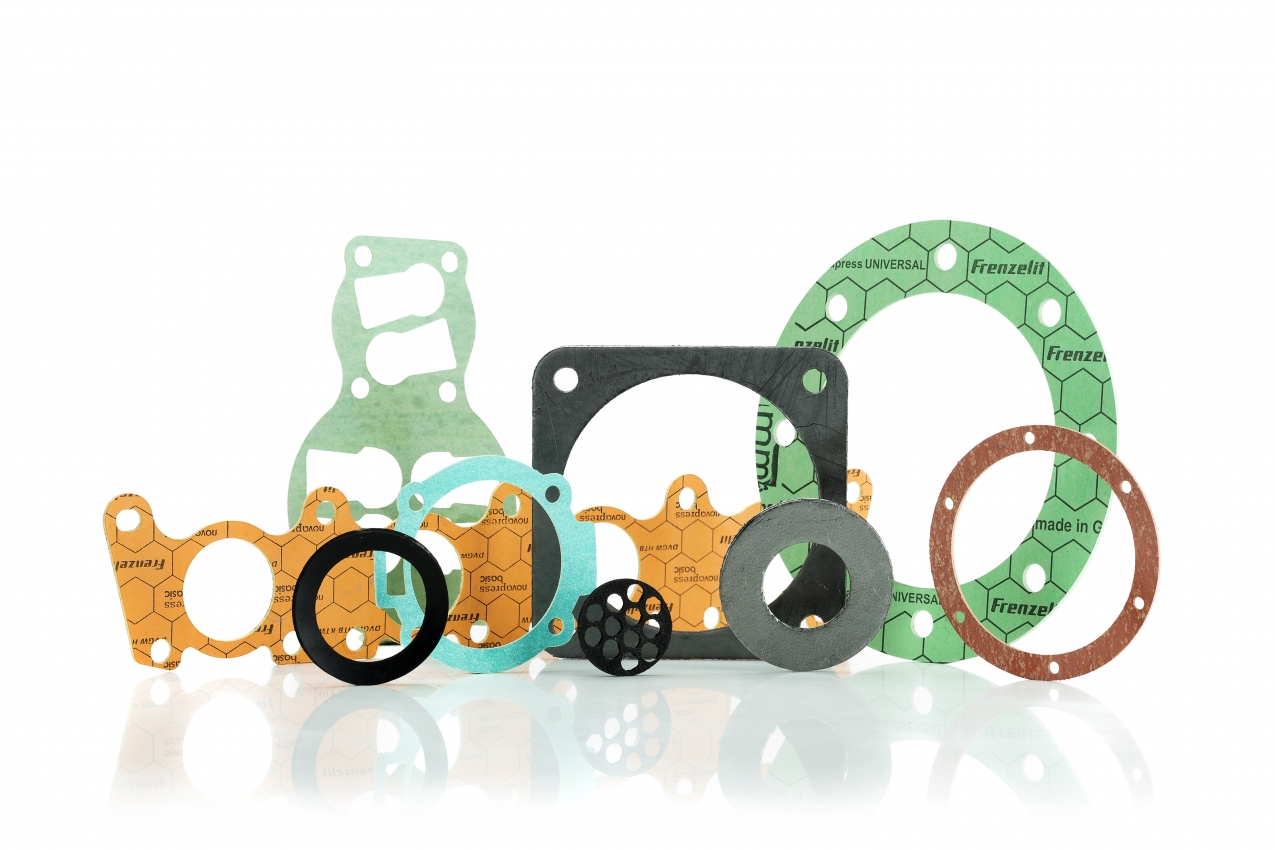
A flat gasket is a static sealing element that prevents leaks between two contact surfaces (usually flanges) through axial contact pressure. Critical for operational safety are the chemical resistance of the material to the medium, thermal stability for the operating range, and precise manufacturing for an optimal fit. Kofler Dichtungen offers specialized solutions for this, ranging from standard flange rings to individual custom seals.
Order flat gaskets directly from the manufacturer
Static sealing elements such as flat gaskets prevent the unwanted exchange of substances at stationary contact surfaces. These static seals reliably protect connected components from leaks and pressure loss.
A typical example of the application of a flat gasket is the sealing in pipe screw connections (so-called union seals) and larger flange dimensions, as well as housing seals.
Contact us for your flat gasket


Flat gasket - which seal for which application?
The material to be transported in line and pipe connections determines the choice of sealing material: gases often require a different material than a liquid medium and an optimal flat seal for water would not withstand aggressive liquids such as fuels. However, the operating conditions such as pressure and temperature also play an important role in the choice of the optimal sealing material.
Flat gaskets are made of the respective seal material in the form of plates. Depending on the material, various techniques can be used for cutting: for example, waterjet cutting technology, plotter technology and punching.
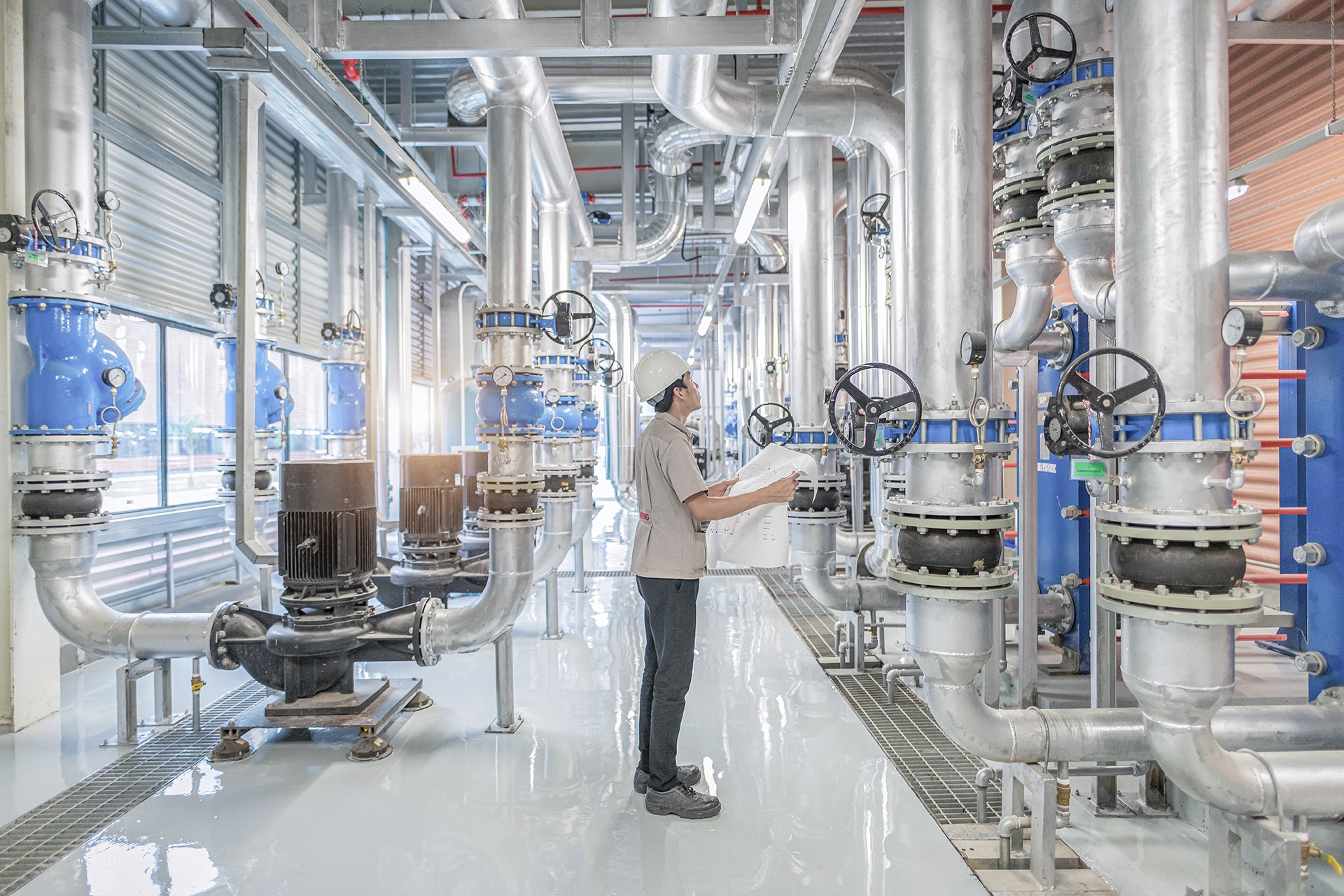
Flat gaskets and their applications:
- Mechanical Engineering
- Pipeline Construction
- Apparatus Construction
- Chemical Industry
- Food Industry
- Pharmaceutical Industry
Klinger® flat gaskets – High-performance solutions for industry
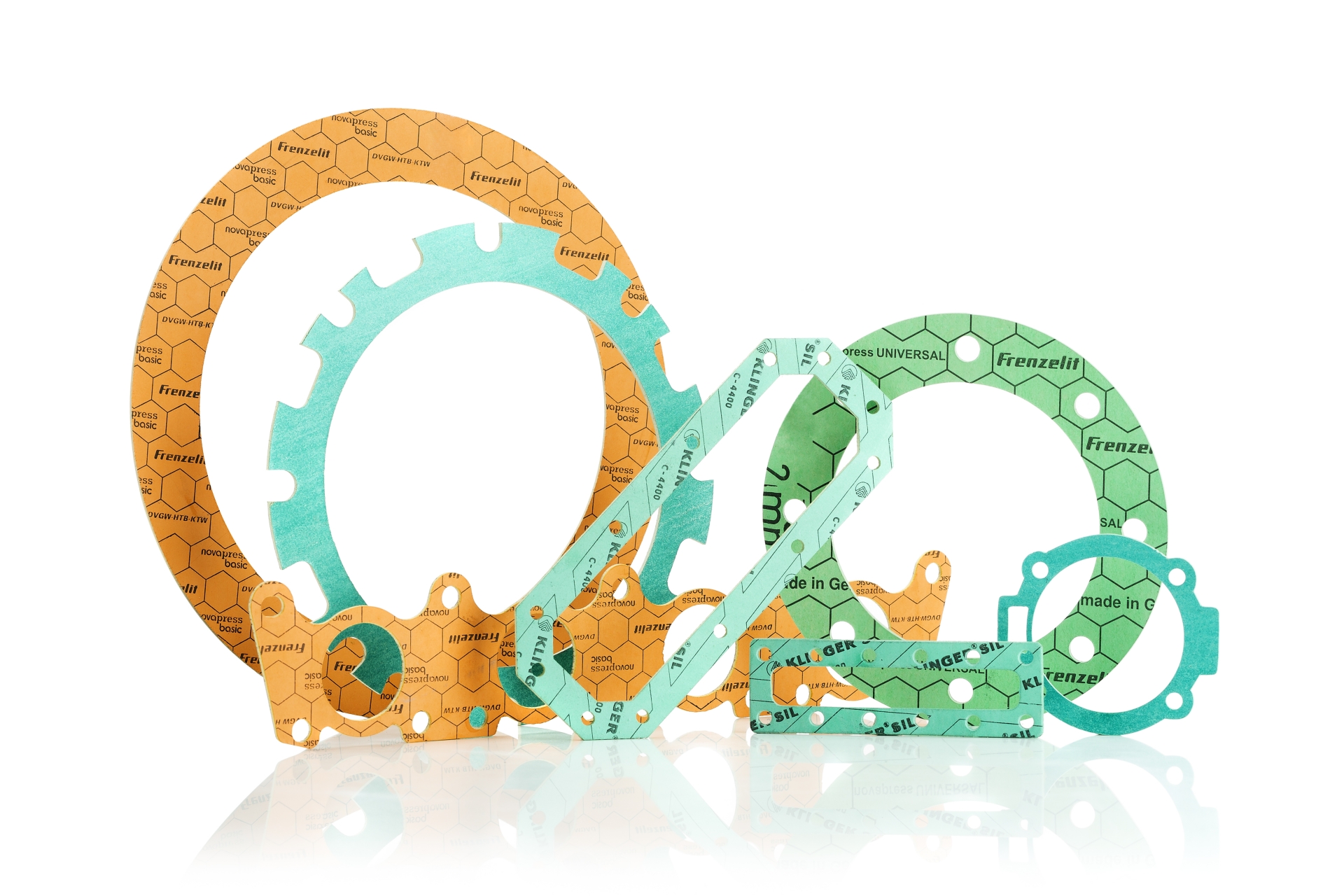
Klinger® flat gaskets, especially the proven Klingersil® qualities, are the worldwide standard for reliable sealing in mechanical and plant engineering. As a specialist in mold-independent manufacturing processes, we process these high-quality aramid fibers exactly according to your technical requirements.
All fiber materials processed by us are asbestos-free and meet the highest demands for gas tightness. Whether for use in chemical plants or in thermally highly stressed systems – we deliver the right Klinger® solution quickly and precisely. Learn more about Klingersil® materials and approvals now!
Frenzelit® Novapress® – Reliable fiber gaskets for professionals
Frenzelit® Novapress® flat gaskets belong to the top class of fiber-reinforced static seals. Materials such as Novapress® Basic, Novapress® Universal, or specialized AFM qualities secure demanding connections in energy technology and general apparatus engineering.
These asbestos-free materials impress with excellent creep resistance and thermal resilience under cyclic loading. We process Frenzelit® qualities using mold-independent methods, precisely according to your specifications.
Order custom-made flat gaskets - individual solutions
Special seals are created at Kofler-Dichtungen based on years of experience and maximum flexibility. This expertise covers both standard gaskets and highly specialized custom fabrications according to your specifications for inner diameter, outer diameter, or specific DIN EN standards. State-of-the-art manufacturing processes such as waterjet cutting or plotter technology enable the precise realization of complex geometries – completely mold-independent and without expensive tool costs.
Turbo service on request: For time-critical repairs, we offer an express option following individual technical assessment and material availability. Since the realization depends on the complexity of the geometry and current stock levels, we ask you to clarify the feasibility for your "turbo requirement" directly with our team.
We guarantee competitive prices starting from small batches of 1 piece up to series production of stamped components. For the technical documentation of your projects, we provide the appropriate data sheet at any time. Furthermore, we ensure the maintenance of your hydraulic systems – feel free to inquire about hydraulic seals or complete hydraulic cylinder seal kits.
Industrial standards for flat gaskets
To ensure safety and interchangeability, flat gaskets are subject to strict standards. These define the exact dimensions for flanges of different pressure ratings (PN) and classes (Class).
The most important industrial regulations include:
- DIN EN 1514-1: The European standard for flat gaskets on flanges with PN designation.
- ASME B16.21: The authoritative norm for flat gaskets according to US standards (Class rating).
- DIN 2690: A still frequently used standard for flanges based on classic DIN normalization.
Kofler - Dichtungen manufactures both precisely according to these standards and according to individual customer requirements to ensure maximum flexibility while maintaining technical standards.
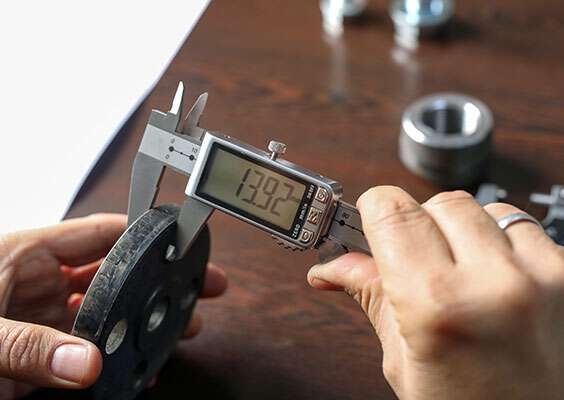
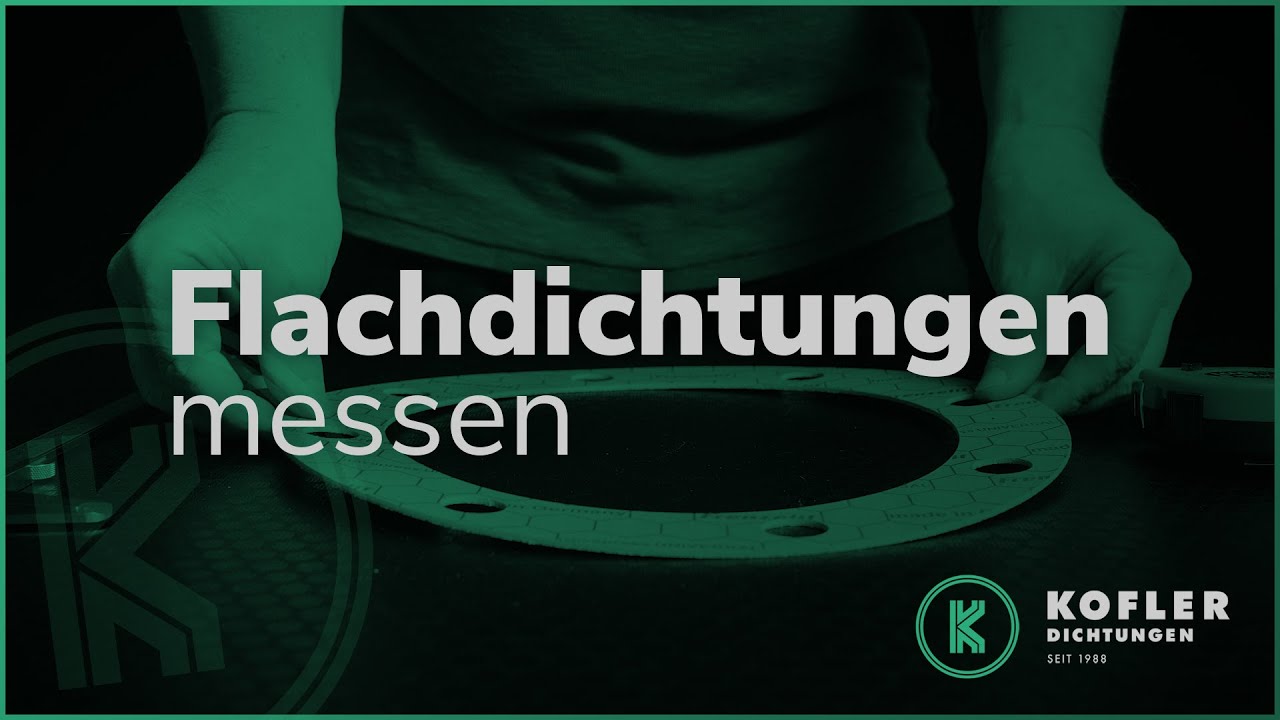
How to measure a flat gasket
In this video, we will show you how to correctly measure a flat gasket to ensure the diameter, thickness, and shape are a perfect fit. With just a few simple steps and the right measurements, even old or damaged seals can be reliably identified.
If you have any further questions, please feel free to contact us—we are happy to help!
Order Standard Flat Gaskets Online
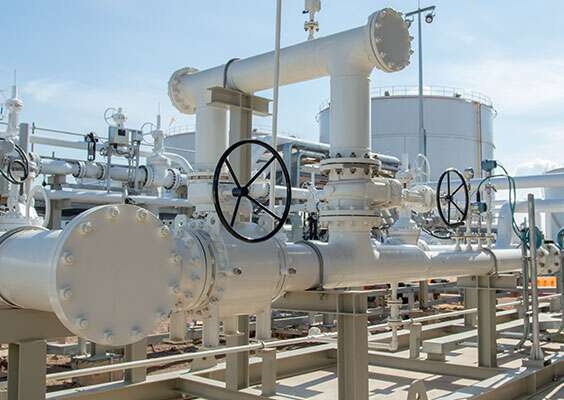
Standard flat gaskets are ubiquitous in numerous industries, but are also widely used in household items (e.g. water pipes). They are used industrially in pipes, pipe connections and high-pressure transport systems between two flanges:
- in Power Plants (GE Power, etc.)
- in (petro)chemical plants
- in refineries
- in boiler and apparatus construction
- Paper and pulp production
- Aerospace (Airbus Defense and Space etc.)
What are the usage characteristics of flat gaskets?
Flat gaskets are used for a wide variety of applications. Therefore, it is important to select your flat gasket for the respective requirements. The chemical engineering and pharmaceutical industries place particularly high demands on the sealing material, since aggressive media are routinely used here, but ingredients for medicines are also processed.
Heat-resistant Flat Gasket – Solutions up to 1,000 °C
When a flat gasket must be heat-resistant, the thermal stability of the material is the critical factor. While standard elastomers often remain stable only up to 100°C, we provide specialized solutions for industrial engineering that withstand extreme temperatures.
Depending on your specific requirements, various materials are utilized:
- Viton (FKM): Resistant up to approx. +200°C.
- Graphite: The industry standard for high-temperature applications up to +550°C.
- Mica: Engineered for extreme heat environments up to +1,000°C.
Particularly in high-pressure systems and boiler construction, selecting the correct material is vital to ensure safety under demanding operating pressures. We are happy to provide personalized consultation and can supply the relevant technical data sheets for your project planning.
Which gasket for a flange connection?
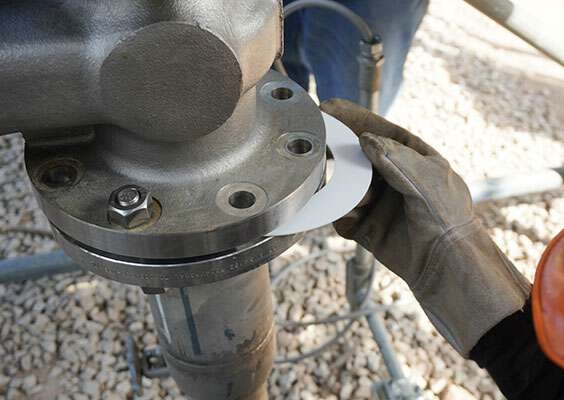
A flange joint is a way of connecting two pipes together. At the end of the pipe there is an annular disc, the so-called flange. The pipes to be connected are positioned so that the flanges rest against each other and can be screwed together by means of screws and nuts.
The flange seal (e.g. a rubber seal) is inserted between the flanges and pressed together by the screw connection, so that there is a tight connection between the pipes.
The flange seal is thus a flat seal and a static sealing element, since the contact surfaces do not move relative to one another.
What is a spiral seal?
Spiral seals are specialized seals for flange connections that consist of several components and different materials, which can thus play their respective advantages together.
In the production of spiral seals, a metal strip with a V-profile is wound into a spiral. Fillers such as graphite, mica or PTFE are introduced between the windings to optimize the sealing properties. The V-shaped profile leads to the improvement of the mechanical properties, in particular the restoring properties. Spiral seals may also be provided with inner and/or outer rings to improve spiral winding strength, reduce flow of a PTFE liner, and reduce turbulence at the sealing location.
Spiral seals have been specially developed for demanding applications at high temperatures, high pressures and mechanical loads such as vibrations. Examples include high-pressure pipelines in power plants, chemical plants, refineries, as well as boiler construction and space travel.
Flat gasket materials
Materials for flat gaskets are selected specifically for the respective application and area of application. At present, there is an ideal material for virtually every application in sealing technology. The following materials have established themselves in flat gaskets:
Technical Material Matrix at a Glance
The following materials are widely established for use in static seals:
| Material | Temperature Range | Resistance (pH Value / Media) | Industrial USP |
|---|---|---|---|
| NBR | -30°C to +120°C | Oils, greases, fuels | High mechanical durability |
| EPDM | -40°C to +120°C | Acids, alkalis, weathering | UV and ozone resistant, long-lasting |
| Viton (FKM) | -20°C to +200°C | Hydrocarbons, chemicals | Problem solver for thermal peaks |
| PTFE (Teflon) | -200°C to +260°C | pH 0 – 14 (universal) | Physiologically safe (FDA compliant) |
| Graphit | -240°C to +550°C | Steam, hot water, nearly all media | Ideal for high-temperature applications |
Rubber flat gasket – FDA-compliant and engineered for industry
At Kofler - Dichtungen, rubber flat gaskets (elastomers) are engineered for technologically demanding environments where purity and material resistance are the highest priorities. Our elastomer seals are the preferred choice for food storage tanks, process vessels, and pharmaceutical manufacturing equipment.
By utilizing specific compounds—such as FDA-compliant EPDM or silicone—these gaskets meet the stringent regulatory requirements for direct contact with sensitive media. They provide an exceptional seal even at low surface pressures and guarantee maximum hygienic safety in filling systems and reactors.
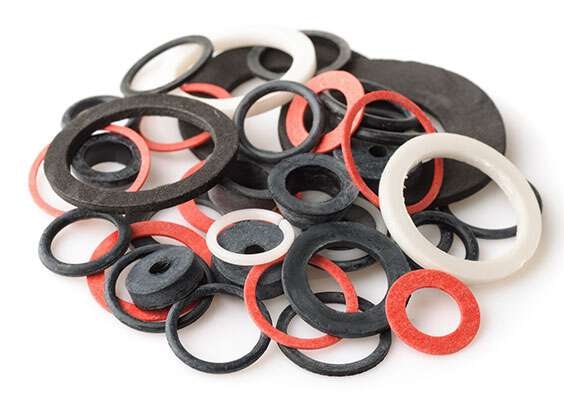
EPDM flat gasket
EPDM flat gaskets are ideally suited for contact with polar chemicals (water, glycol brake fluid, acids, alkalis). However, EPDM is not compatible with oils, fats, solvents such as toluene and fuels. EPDM is very weather resistant and has a long shelf life. It retains its excellent elastic properties, such as good tear resistance, in both heat and cold.
Read more about EPDM Elastomer!
Silicone flat gasket
Silicone (VMQ) flat gaskets impress with the large temperature range in which they retain their elasticity. Silicone seals are very resistant to weathering and aging and are compatible with water and aliphatic oils. Silicone seals are not compatible with aromatic oils, water vapour above 120°C (248°F) and silicone oils.
A major advantage is the general physiological safety and thus usability in the food and drug industry.
Viton Flat Gasket (FKM) – The Solution for high temperature
A Viton flat gasket (fluorocarbon rubber) is the premier choice when conventional elastomers reach their limits. Viton® is characterized by excellent resistance to hydrocarbons, oils, and a wide range of aggressive chemicals. Furthermore, the material remains stable under continuous thermal loads of up to +200 °C (and even higher for short periods). In industrial toolmaking and chemical valve applications, Viton flat gaskets reliably prevent leaks under extreme conditions. We are happy to provide detailed data sheets to assist with your maintenance planning.
Aluminum Flat Gasket
Metal gaskets are plastically pressed into the correct shape by the contact pressure of the flange connection and must be made of a material that is softer than the flange.
The relatively soft metal aluminium is ideally suited for this. During pressing, there is a microscopically accurate connection between the metal seal and the flange, so that an ultra-high vacuum-tight connection is created. The disadvantage is that such seals can only be used once, since the plastic adaptation is not reversible.
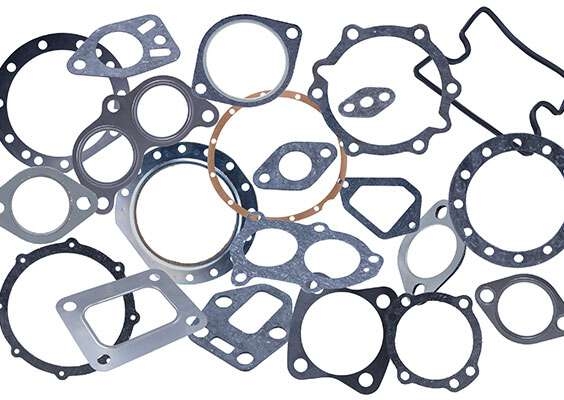
PTFE - Teflon Flat Gasket
Teflon® flat gaskets are virtually universal in their application, as Teflon® (PTFE gaskets) is compatible with practically all media (pH 0–14). It features an enormous thermal operating range from −200 °C to +260 °C, making it ideal for extreme process conditions.
In professional applications, such as industrial piping systems in chemical plant engineering, the typical cold flow behavior of pure PTFE must be taken into account. For applications involving particularly high operating pressures, we therefore utilize modified PTFE or variants with metal inserts to significantly increase the service life of the seal. Due to its physiological safety (FDA compliance), our PTFE solutions are also the industry standard for equipment manufacturing in the food and pharmaceutical sectors. We are happy to provide the corresponding data sheet for your precise technical design.
Graphite flat gasket
Graphite gaskets are designed for high-temperature applications: they can be used from -240°C to 550°C (-400°F to 1022°F) and withstand almost all chemicals. Graphite gaskets often come with metal inserts (spike plate, flat sheet, expanded metal).
Read more about graphite flat gaskets!
NBR Flat Gasket
An NBR flat gasket is mainly used when resistance to non-polar chemicals such as fuels, oils, greases is required. Mechanical strength is also a strength of NBR. The minimum operating temperature can be finely adjusted by the amount of acrylonitrile during production.

Flat gaskets made of fibre materials (Klinger-Sil or Novapress)
High-quality aramid fibers and specialized AFM grades form the foundation of modern fiber-reinforced flat gaskets. These materials are designed as high-performance alternatives to asbestos-based products, offering excellent adaptability to flange irregularities.
We process leading industry standards such as Klingersil® or Frenzelit® Novapress® to guarantee ideal gas tightness and compressive strength for every application. All fiber materials we utilize are asbestos-free and certified for use in modern industrial facilities.
What are sheated flat gaskets?
Sheathed flat gaskets consist of at least two materials. In most cases, the core of the sheathed flat gasket is made of a fiber-containing material. The outer layer made of a corrosion-resistant material such as Teflon or stainless steel forms a protective shell. In this way, the core can be protected from aggressive media. A typical example is the cylinder head gasket of an internal combustion engine.
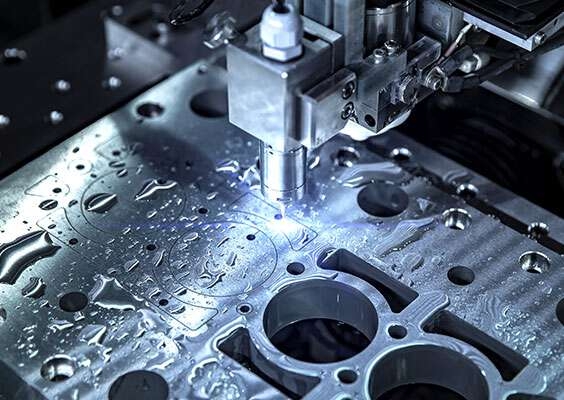
Waterjet Cutting Technology for Flat Gaskets
In the waterjet cutting technique, a very fine waterjet is propelled at high speed from a computer-controlled nozzle onto the workpiece. This allows for high precision and reproducibility, even with complex geometries.
For elaborate custom productions, this method is often the preferred technique, as it eliminates the need for individual tools like punches.
Waterjet-cut flat gaskets can be made from PTFE, POM, PEEK, as well as soft and thick materials such as foam or neoprene, since they are not deformed by compression during cutting.
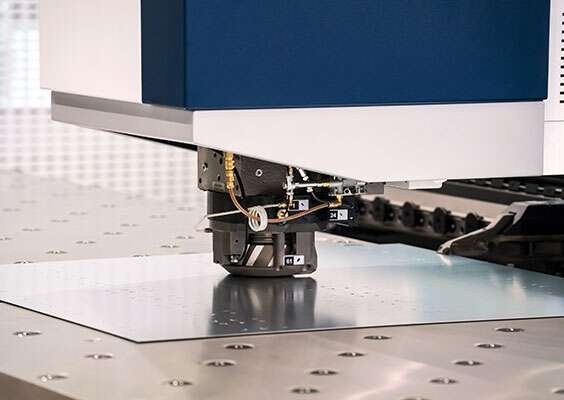
Die-cut flat gaskets
Die-cut flat gaskets offer the significant advantage of being manufacturable in any size or shape with short lead times, especially in high volumes. This allows us to provide die-cut seals at highly competitive prices for large-scale production requirements.
We manufacture die-cut gaskets from a wide range of materials:
- Rubber & Elastomers
- Aramid fiber sheets (e.g., Klingersil®, Frenzelit® Novapress®)
- PTFE foils
- Cork, leather, gasket paper, and many more.
Certifications and Industrial Compliance
In safety-critical sectors such as the chemical, pharmaceutical, and food production industries, compliance with stringent standards is indispensable. Kofler - Dichtungen guarantees full conformity for all materials used.
We supply flat gaskets with FDA certification and conformity to EG 1935/2004 for direct contact with food products. For applications involving emission control, we offer materials that meet the requirements of the TA-Luft (German Technical Instructions on Air Quality Control). With these certifications, we safeguard the quality and legal compliance of your industrial processes.
Flat gaskets - custom-made special gaskets
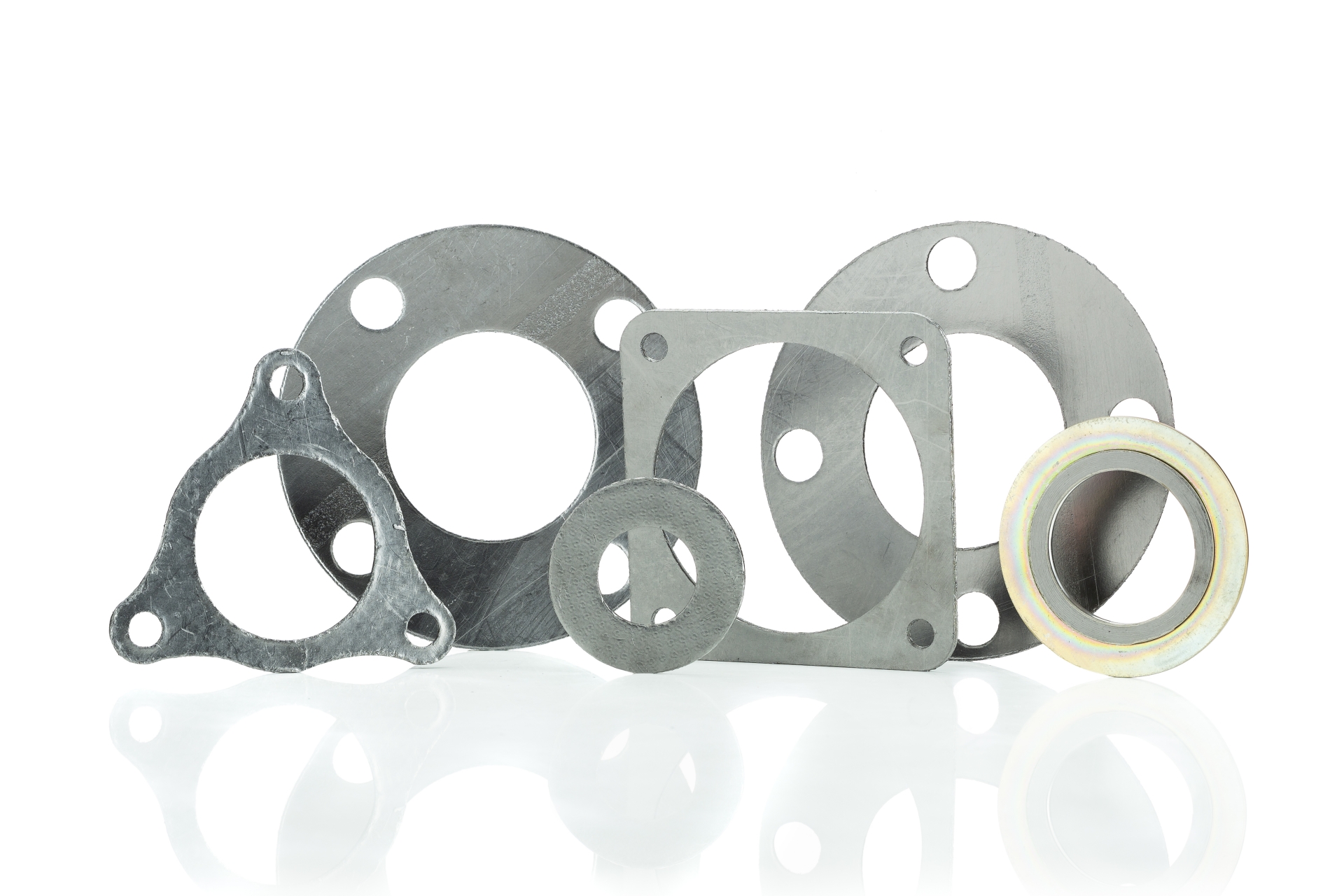
Flat gaskets are key components within a wide variety of processes and applications. Depending on the area of application, there are various requirements that a flat gasket must meet. Accordingly, it is made of a material suitable for the application. Just tell us the inner diameter, outer diameter or DIN EN specifications of your required flat gasket and we can produce them for you.
We can produce the flat gaskets from all common materials. These are, for example,
- Flat gaskets made of fibre sealing plates such as Klingersil(c), Frenzelit(c), Unitec300(c) etc.
- Flat gaskets made of rubber and plastic qualities,
- Sealing and insulating materials
- Flat gaskets made of high-performance plastics
- Foam rubber flat gaskets (NBR + EPDM)
- Flat seals made of graphite plates
We see ourselves as experts who are familiar with all factors and functionalities and advise you on the selection. Of course, taking economic aspects into account.
Flat Gasket Box - Purchase Flat Gaskets as a Set
Our flat gasket box offers a range of different standard flat gaskets. These are the most common flat gaskets in the gas-water installation or heating installation.
The flat gasket box is used by professionals and businesses as well as in the private sector. You can buy the flat gasket box online as a set. Do you have any questions? Contact us for exact details. As a customer, you can add all our products to the shopping cart in our online shop and order. The prices are incl. or excl. VAT, shipping costs and delivery time are indicated. Also order O-rings, sealing rings, sealing ring, PTFE flat seals, seals made of Viton and much more.
Inquire now – we look forward to advising you.
FAQs on Flat Gaskets



What is the purpose of flat gaskets in mechanical engineering?
Which materials can withstand aggressive chemicals?
How quickly does Kofler deliver custom-made products in case of urgent need?
What are flat gaskets and what are they used for?
Which materials are used for flat gaskets?
How are flat gaskets manufactured at Kofler – Dichtungen?
Does Kofler – Dichtungen also offer customized flat gaskets?
In which industries are flat gaskets from Kofler – Dichtungen used?
What are the advantages of graphite flat gaskets?
Which manufacturing techniques does Kofler – Dichtungen use?
How quickly can Kofler – Dichtungen deliver flat gaskets?
How can I order a flat gasket from Kofler – Dichtungen?
